

Column
[Column] Stem Cell Therapies: Let’s Understand Them Accurately and Get Them Prescribed Properly
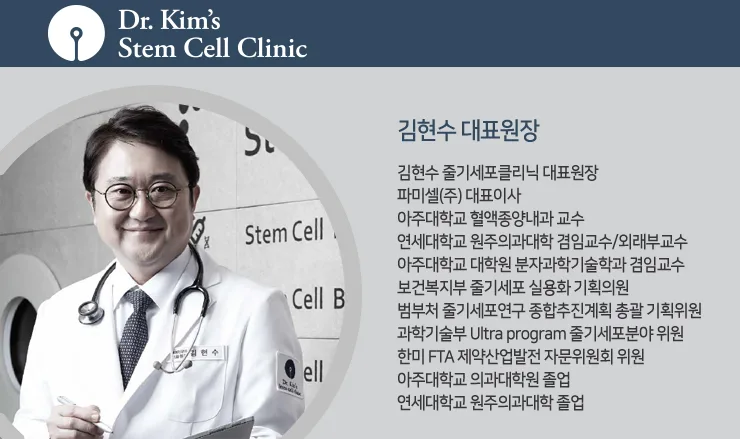
“Can I receive stem cell therapy in Korea? Isn’t it illegal?” “What are the benefits of
stem cell therapy, and are there any side effects?”
These are the most common questions asked by patients visiting our clinic for
stem cell therapy. Despite South Korea’s world-leading medical standards—it was the first country to produce a stem cell therapy—the public’s misunderstandings about stem cells run quite deep. Perhaps the one silver lining is that people no longer ask if receiving stem cell therapy might cause unexpected body tissues to sprout like shoots in the most unlikely places.
Nevertheless, the fact that many people still harbor misconceptions about stem cells is partly due to unscrupulous companies that exploit patients’ desperate desire for a cure for their own gain, and partly because most doctors in clinical practice are not familiar with stem cells. In fact, during my medical school curriculum, the only time I learned about stem cells was during my residency in hematology-oncology. Even then, I recall it being a two-week course.
Since stem cells are, quite literally, living cells, culturing them outside the body carries the risk of altering their biological characteristics. Therefore, to protect public safety, South Korea designates stem cell therapies as “prescription-only drugs,” meaning they can only be administered under a doctor’s supervision and with a prescription. To date, the Ministry of Food and Drug Safety of South Korea has approved four stem cell therapies as “prescription-only drugs.” Furthermore, these therapies have been used safely for about five years without any reports of unusual side effects.
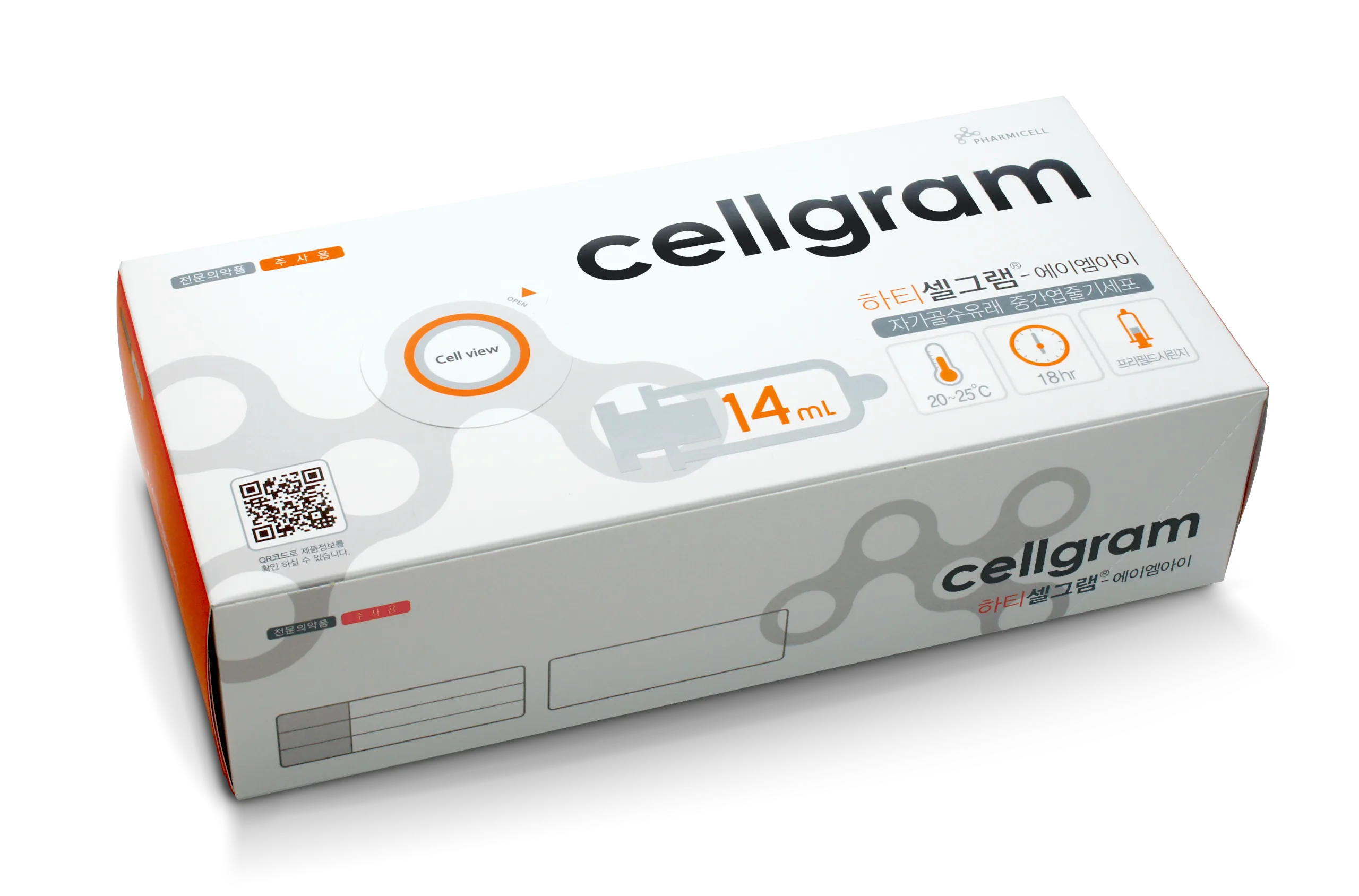
I would like to discuss the current state of stem cell therapies using Cellgram (a treatment for heart disease),
which was the first to receive approval. Myocardial infarction is a common adult disease, affecting nearly 80,000 people annually in South Korea alone. A typical treatment involves a procedure to clear blocked blood vessels in the heart and insert a stent to prevent them from narrowing again. Of course, ongoing medication is necessary afterward to prevent restenosis. However, if the condition is detected late or is severe, even after the blocked artery is cleared, the heart tissue may already be significantly damaged, potentially leading to heart failure. While mild heart failure requires treatment with ongoing medication to reduce the burden on the heart, severe heart failure causes such intense suffering that it renders socioeconomic activities impossible, necessitating a heart transplant.
Since
damaged heart tissue does not regenerate, stem cell therapies are desperately needed for these patients. Although it has not yet been established as a standard of care in clinical practice, continuous use over approximately five years since its designation as a pharmaceutical product in 2011 has revealed improvements in heart failure. For heart failure patients, even a slight improvement in heart function significantly enhances their quality of life. Patients with mild heart failure experience symptom relief, while those with severe heart failure are able to maintain adequate heart function at least until they become eligible for a heart transplant.
Over the course of more than 10 years of clinical trials and the past five years of use in clinical practice, no cases of severe side effects, related deaths, or cancer incidence have been confirmed. Because stem cell therapies have been recognized as having clear medical value, the government has approved them as prescription drugs.
Doctors need to set aside their resistance to new treatments, and patients need to overcome their vague fears about treatment; both must adopt an attitude of approaching their illnesses with an accurate understanding of what “stem cells” and “stem cell therapies” actually are. I hope that through this column, readers can gain a clearer understanding of the reality of stem cell therapies.


