

Vertebral Artery Dissection Recurring After 16 Years
- Patient
- A man in his mid-50s
- Diagnosis
- Right Vertebral Artery Dissection (Onset: December 2024)
- Treatment
- Two intravenous infusions of autologous bone marrow-derived mesenchymal stem cells
- Observation
- Approximately 9 months after the first dose (11 months after onset)
Before

Viewable after sign-in in accordance with medical advertising regulations.
Sign in to viewAfter
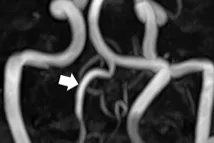
| Point of View | Treatment and Intervention | Observed Changes |
|---|---|---|
| December 27, 2024 | Severe pain in the right side of the back of the head after a golf swing (pain level 8–9) | |
| January 7, 2025 | Initiation of Antiplatelet Therapy | Vascular Wall MRI: Intramural hematoma and stenosis of the right vertebral artery |
| January 13, 2025 | Switch to aspirin alone | CT: No significant changes. Stent procedure postponed. |
| February 17, 2025 | CT: Further narrowing of the blood vessel lumen (no spontaneous improvement) | |
| February 21, 2025 | First intravenous administration of stem cells | |
| April 16, 2025 | CT: Reduction in intramural hematoma, re-expansion of blood vessels | |
| October 24, 2025 | Second Intravenous Stem Cell Infusion | |
| December 2, 2025 | Stopping Aspirin | MRI of the Vascular Wall: Intramural Hematoma and Resolution of Stenosis |
Overview
The patient has a history of recovering without any sequelae from a cerebellar infarction in 2008 caused by a left vertebral artery dissection (a condition in which the blood vessel wall tears). In December 2024, following a golf swing, a dissection also occurred in the contralateral right vertebral artery. Although the vessel continued to narrow despite antiplatelet therapy, stenting was deferred due to the high risk of rupture, as the affected segment was intracranial. Consequently, mesenchymal stem cells (HatiCellGram) cultured from the patient’s own bone marrow were administered intravenously in combination with anticoagulants at 8 weeks and 10 months after onset. This treatment is an off-label use for this condition and was performed after obtaining written informed consent following a thorough explanation.
Progress
About 8 weeks after the first dose, a CT angiogram showed that the blood pooled in the vessel wall (intramural hematoma) had decreased, and the narrowed vessel lumen had widened again. An MRI of the blood vessel wall taken 11 months after the onset of symptoms showed no intravascular hematoma or stenosis, and aspirin therapy was discontinued. In 2008, the left-sided lesion remained unchanged. However, since unruptured vertebral artery dissections often resolve spontaneously, these changes cannot be definitively attributed to the stem cell therapy. No treatment-related adverse reactions were observed during the administration or follow-up period.
Source Kang H, Lee EJ, Lee MH, Kim HS. Structural Restoration of an Unruptured Vertebral Artery Dissection Following Autologous Mesenchymal Stem Cell Therapy: A Case Report. Clin Case Rep. 2026;14:e73284. (Open Access, CC BY 4.0)
This is an anonymised record of an individual case. Outcomes vary from person to person, and every medical procedure carries the possibility of side effects.
This case does not guarantee any treatment outcome. Stem cell treatment is carried out only within approved clinical research and licensed indications for each condition.


