

Media Coverage
[Maeil Business Newspaper] "We Will Build Trust in Stem Cell Therapy by Meeting Patients Directly"
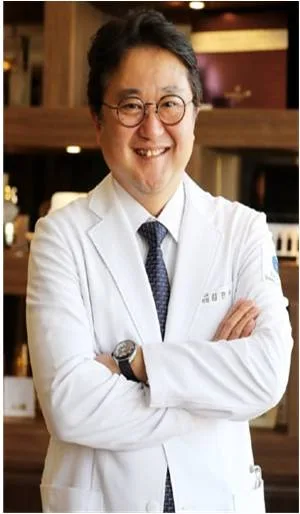
[Bio & Tech] "I Will Build Trust in Stem Cell Therapy by Meeting Patients Directly"
■ Kim Hyun-soo, CEO of Pamicell: "The Second Act of Stem Cell Therapy
" "I am Kim Hyun-soo, an internist who developed the world’s first stem cell therapy." Kim Hyun-soo, CEO of Pamicell (pictured), introduced himself this way. He noted that the words “hematology and oncology” were implied but omitted from his title as an internist.
This statement reflects his confidence, stemming from a time when there were no hematology residency programs—a period during which he rotated exclusively between the departments of hematology and oncology, meeting countless patients, and conducting intensive research at Ajou University Hospital, which boasted the most advanced experimental facilities at the time. He said, “The eight years I spent at the Bone Marrow Transplant Center were a total all-out effort, day in and day out. I gave my all in every moment, to the point where it felt like I was transplanting a ‘piece of my own life,’” he recalled, adding, “Through countless successes and failures, I confirmed the therapeutic value of stem cells, and I set a goal to develop treatments so that more patients could benefit from them.”
In 2002, he founded Pamcell with his fellow researchers. As a young CEO in his 30s with a background in academia, he was brimming with confidence. He believed that stem cells could cure just about any disease. However, the process of developing a drug—which cost tens of billions of won—and obtaining official approval and commercializing it was no easy feat. The internist, who had earned the nickname “Fiery Kim Hyun-soo” for his relentless dedication to treating patients, became “Timid Kim Hyun-soo” while running the company.
Only after countless balancing acts between “Fiery Kim Hyun-soo” and “Timid Kim Hyun-soo” was he able to secure approval from the Ministry of Food and Drug Safety in 2011 for “HeartCellGram-AMI,” the world’s first stem cell therapy for acute myocardial infarction. Although it took nearly 10 years, he cited the track and field hurdles as an example and expressed a cautious stance on deregulation:
“The height, width, and weight of the hurdles used in the 110-meter hurdles are the same all over the world, aren’t they? If the stem cell industry is the athlete and the government is the coach, we shouldn’t try to change these rules—we should strive to clear the hurdles effectively. It shouldn’t be easy to clear them. The right system is one where we clear them without waste, as the saying goes, by giving it our all—literally ‘until our legs give out.’ It’s also important to shift to a system of ‘negative regulation’—one that clearly outlines what is not permitted—so that new entrants can prepare efficiently.” CEO
Kim assessed that, until now, stem cell therapies had not been properly evaluated, caught between “excessive expectations” and “negative preconceptions.” To bridge this gap, he opened a stem cell specialty clinic bearing his name in Sinsa-dong, Gangnam-gu, last March. His goal was to meet patients directly and earn the trust of doctors through treatment outcomes. To explain how
stem cell therapy began and how far it has progressed, as well as to introduce the doctor behind the development of this therapy and the operation of the hospital, he also published a book this month titled *This Is Kim Hyun-soo’s Stem Cell Hospital*.The book details his father, who set an example as a
meticulous and strict physician; his mentors, who encouraged and pushed him to hone his skills; his colleagues with whom he joined forces for stem cell research; his struggles to save patients; and his philosophy as both a doctor and an entrepreneur. The book also stands out for its efforts to provide objective information—such as explanations of the treatment mechanism and the principles of stem cells in the human body—for those curious about stem cell therapy.
“In the past, bone marrow transplants used to cost a fortune, but now that they’re covered by insurance, many people are benefiting from them, right? Stem cell therapies are still expensive, so we have to be cautious about treatment, but I believe they will follow a similar path. From a doctor’s perspective, since these are officially approved drugs, I believe it is appropriate to use them based on a doctor’s judgment. From a business perspective, I think we must continue clinical trials to expand indications and work toward securing insurance coverage.”
He added, “We’ll need to persuade doctors with more detailed and precise data,” noting, “We’re currently conducting Phase 1 clinical trials for erectile dysfunction and severe lower limb ischemia by expanding the indications for our existing therapies.”CEO
Kim is once again pursuing his “first dream”—a goal he had put on hold for over a decade since founding the company. That dream is to develop anticancer drugs using dendritic cells.
Dendritic cells are known as the “commanders of the immune system” because they recognize abnormal cells—such as viruses or tumors—that appear in the body and signal T cells, which are immune cells, to attack them.
He explained, “Although we have been at the forefront of researching dendritic cells and applying them to treatments since 2000, we postponed commercialization because we judged the manufacturing process to be difficult and regulatory approval to be challenging.” He added, “In the meantime, Dr. Lee Hyun-ah has advanced the research by eliminating unstable factors one by one and developing a new large-scale culture method. “We are currently evaluating the treatment through tests using human liver cancer cells and mouse models of lung and prostate cancer, and we expect clinical trials to be possible soon,” he said.
“We still have a long way to go. When I introduce myself around the time of my retirement, I hope to be recognized as ‘the executive who led Pamicell, a world-class stem cell therapy company, to success.’ PamiCell’s business sectors consist of biopharmaceuticals, biochemistry, and hospitals, and CEO Kim Seong-rae is managing them meticulously. If the establishment of for-profit hospitals is permitted in the future, my dream is to develop the hospital into a world-class stem cell therapy hub.”


